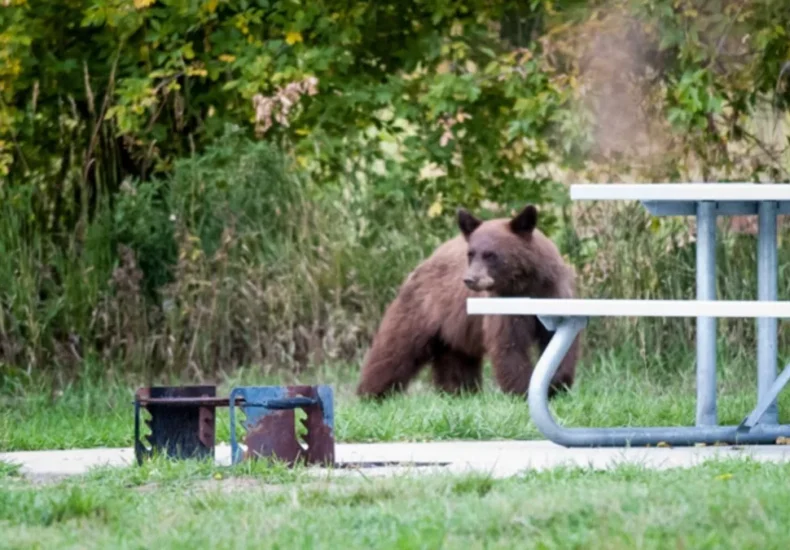
Utah Bear Incidents Have Doubled in 2026 as Black Bears Head Into Neighborhoods From Food Stressed Hillsides Across the State
SALT LAKE CITY, UT — Black bears are turning up more often in Utah neighborhoods this year, and state wildlife officials say the numbers have climbed sharply. The Utah Division of Wildlife Resources has already responded to 168 bear incidents in 2026, nearly twice the 83 reported in all of 2025.
Wildlife officials say the increase is tied to tough feeding conditions in the mountains and foothills. A warm spring, several hard freezes, extreme heat and drought have cut into the plants bears rely on, including berries, acorns and other rootlike foods.
How Weather Is Changing Bear Behavior
With their usual food sources under pressure, black bears are moving to lower elevations in search of meals. That can bring them closer to homes, where easy-to-reach food and trash can quickly draw them in.
Officials say Utah’s bear population is made up only of black bears, and they can be found across the state. When natural food is scarce, bears often expand their range and spend more time near developed areas, which raises the chances of people spotting them in yards, streets and other populated places.
The situation is not unique to Utah. Colorado has also reported record numbers of bear conflicts this year, and a person was recently killed by a black bear in New Mexico, underscoring how quickly bear encounters can become serious when animals wander into human spaces.
What Residents Should Put Away
Wildlife officials are urging residents to remove anything outside a home that could attract a bear. That includes bird feeders, fruit trees, compost piles, beehives, pet food, barbecue grills, garbage cans and food left where outdoor pets can reach it.
Keeping yards clean can make a big difference, especially in areas where bears are already moving through. Officials also want people to remember that even familiar neighborhoods can become attractants if food is easy to find, and a bear that gets a meal near a house may return again.
For more safety guidance, residents can visit wildawareutah.org. The message from wildlife officials is simple: if bears are searching harder for food, people should make homes and yards less tempting.
Why This Year Stands Out
Bear sightings are not unusual in Utah, but the jump in incident reports suggests this season has been especially active. The combination of weather swings and drought appears to have shifted where bears are spending their time, and that has changed the kind of encounters residents are seeing.
For households that live near open space, canyons or foothills, the advice is to treat food storage and trash like part of bear prevention. A clean yard, secured bins and removed bird feeders can help reduce the odds that a bear stops by for an easy snack.
The weirdest true stories from across America, every day.
Leave a Reply