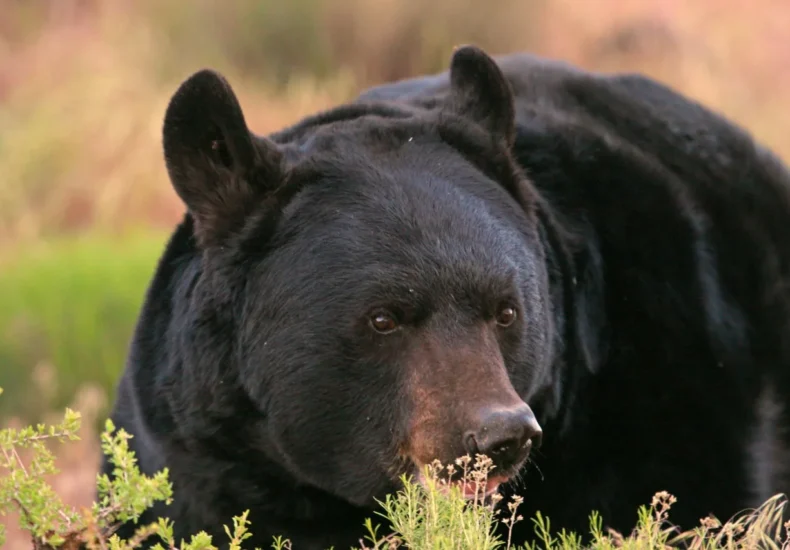
Black Bear Incidents in Utah Have Doubled This Year as 168 Reports Send Wildlife Crews Into Neighborhoods and Foothills Statewide
SALT LAKE CITY, UT — Black bear encounters are climbing fast in Utah. The Utah Division of Wildlife Resources says it has responded 168 times to bear problems so far this year, about twice the 83 responses logged during all of 2025.
Officials say the increase is tied to weather that disrupted the bears’ food supply and sent them looking for easier meals in lower-elevation neighborhoods, campsites and foothill communities.
Why the bears are showing up now
Wildlife biologists say a rough stretch of weather helped create the problem. Warm conditions in the spring were followed by hard freezes, then intense heat and drought, all of which affected berries, acorns and other plant foods bears rely on.
According to the DWR, those foods make up about 90% of a black bear’s diet. With natural options harder to find, bears have been scavenging in places they normally would not spend much time, including neighborhoods near canyons and foothills.
Chad Wilson, the agency’s game mammals coordinator, said the weather has had a huge impact on the normal food supply and that bears are now searching in unusual areas. Officials also note that Utah has more bears now than it did 30 years ago, even as more people move into natural bear habitat.
What Utah residents should do around homes and cabins
Wildlife officials are urging people to remove anything that could attract a bear. That includes birdfeeders, fruit trees, compost piles, beehives, pet food and water bowls, barbecue grills and outdoor garbage cans. Unsupervised pets can also be at risk, especially overnight.
Residents are asked to keep trash in bear-proof containers or inside a garage until pickup day, then set it out in the morning instead of the night before. Cleaning garbage cans regularly can also help cut down on odors that draw bears in.
The same advice applies at cabins and vacation spots: secure food, clean up scraps, and do not leave scented items, grease or garbage behind. The agency says even a messy campsite can keep attracting bears long after people have gone home.
How to respond if you see a bear
DWR says most sightings in foothills or canyon areas only need to be reported if the bear is acting aggressively, getting into trash, or causing damage. Bears that enter a property, campsite or city area should be reported right away so wildlife crews can respond.
If you meet a black bear, officials say not to run, climb a tree or play dead. Stay calm, give the animal room to leave, and be ready to use bear spray or another deterrent if needed. If a bear stands up or makes noise, that is usually the animal trying to get a better look or smell, not a sign of an attack.
Wilson also stressed that people should never feed cubs or adult bears. He said relocation is not always successful because some bears return to human areas, and in some cases wildlife managers euthanize problem animals when conflicts become severe.
The weirdest true stories from across America, every day.
Leave a Reply